
If you’re planning a concrete driveway installation in Milton, Ontario, you’re likely wondering what kind of budget to set aside. The answer depends on several variables from the size of your driveway to the finish you choose.
This guide breaks down everything Milton homeowners need to know about concrete driveway cost, so you can plan your project with confidence.
Average Concrete Driveway Cost in Milton
In Milton, concrete driveway cost generally ranges from $8 to $20 per square foot for plain concrete. For decorative options such as stamped or stained concrete, prices can climb to $25–$30 or more per square foot. On average, most residential concrete driveway projects fall between $5,000 and $10,000, though larger driveways or those with complex designs can exceed that range.
Here’s a quick breakdown by finish type:
| Finish Type | Cost Per Square Foot | Typical 500 sq ft Total |
|---|---|---|
| Plain Concrete | $8 – $12 / sq ft | $4,000 – $6,000 |
| Exposed Aggregate | $12 – $18 / sq ft | $6,000 – $9,000 |
| Stamped Concrete | $15 – $25 / sq ft | $7,500 – $12,500 |
| Stained Concrete | $15 – $30 / sq ft | $7,500 – $15,000 |
What Factors Impact Your Concrete Driveway Project Cost?
Various factors can significantly impact your final cost. Understanding these will help you budget accurately and avoid surprises during the installation process.
Driveway Size
The most obvious factor is size. Larger driveways require more materials and labor costs, so the cost per square foot tends to stay consistent while the total project cost scales up. Most Milton homes have driveways between 400 and 800 square feet.
Concrete Thickness
Residential driveways typically use a concrete thickness of 4 inches, but if the driveway needs to withstand heavy loads — such as RVs or commercial vehicles — a 5–6 inch pour may be required. Thicker pours increase both the concrete mix volume and labor, adding to your upfront costs.
Site Preparation
Site preparation expenses can vary widely. Removing an existing driveway, grading the ground, and installing proper drainage solutions all add to the cost. If your existing surface has poor drainage or unstable soil, expect site preparation to be a more significant portion of your budget.
Decorative Finishes & Concrete Type
Choosing exposed aggregate finishes, decorative borders, or stained concrete will increase costs compared to plain concrete. Stamped or stained concrete requires specialized crews and more complex installation, which drives up labor costs. However, these decorative elements also enhance your home’s curb appeal and aesthetic appeal considerably.
Permits
In Milton, permit costs may apply depending on the scope of your driveway installation. Check with the Town of Milton before starting your concrete project to understand local requirements. Permit costs are typically a minor additional cost but should be factored into your total budget.
Demolition of Existing Driveway
If you have an existing driveway — whether asphalt, interlocking stone, or an old concrete slab — removing existing materials adds to your project cost. Disposal of existing materials from demolition is usually charged separately.
Concrete vs. Other Materials: Is It Worth It?
Milton homeowners often compare concrete to other driveway materials. Here’s how it stacks up:
Asphalt Driveways: Asphalt driveways have a lower initial cost — typically $4–$8 per square foot — but require more frequent repairs and periodic sealing every few years. Over time, the cost-effective advantage of asphalt diminishes.
Interlocking Pavers / Interlocking Stone: Interlocking pavers offer beautiful aesthetics but are among the most expensive options, often $20–$40 per square foot installed. Individual pavers can shift over time in Milton’s freeze-thaw climate, requiring ongoing adjustments.
Natural Stone: Natural stone is a premium option that delivers unmatched visual appeal but comes with the highest price tag and requires specialized installation.
Concrete: A new concrete driveway offers superior durability, minimal maintenance requirements, and excellent longevity. While the initial cost is higher than asphalt, concrete ranges in lifespan from 30–50 years with only occasional sealing required. For homeowners seeking a long lasting driveway, concrete’s minimal upkeep and minimal maintenance needs make it the smarter long-term choice.
Climate Considerations for Milton Driveways
Milton’s climate — with cold winters and frequent freeze-thaw cycles — is a major factor in driveway planning. A properly installed concrete driveway with the right concrete mix is designed to withstand harsh weather conditions.
Contractors should incorporate stress lines (control joints) to manage cracking as temperatures fluctuate. Skipping this step can significantly impact the long-term performance of your driveway. Budget-conscious homeowners should not try to cut corners on concrete thickness or site preparation, as these are what allow the driveway to withstand heavy loads and harsh weather conditions over the long haul.
Tips to Save Money on Your Concrete Driveway Installation
There are several ways to save money without sacrificing quality:
- Choose plain concrete over stamped or stained concrete if you’re budget conscious — it still looks clean and professional.
- Get multiple quotes from local Milton contractors before committing to a driveway installation.
- Bundle your concrete project with other landscaping project work, as contractors may offer discounts for larger scopes of work.
- Keep the shape simple — complex projects with curves or multiple levels require more labour and planning.
- Avoid removing an existing driveway unnecessarily if it can be used as a stable sub-base, as this can save on site preparation expenses.
Concrete Driveways and Property Value
Beyond function, a new concrete driveway directly supports your property value and your home’s curb appeal. In a competitive Milton real estate market, a clean, well-maintained driveway is one of the first things prospective buyers notice.
Exposed aggregate finishes and decorative finishes in particular can elevate the look of your home’s exterior, making them popular upgrades among homeowners seeking to maximize their return on investment. The combination of superior durability, minimal maintenance, and strong aesthetic appeal makes a concrete driveway one of the most reliable outdoor investments you can make.
Ready to Start Your Concrete Driveway Project in Milton?
Understanding how much a concrete driveway costs in Milton is the first step toward a smart home improvement decision. Whether you’re replacing an aging asphalt surface, upgrading from interlocking stone, or building a brand new concrete driveway from scratch, a quality concrete installation delivers decades of value with minimal maintenance needs.
Reach out to MCL Concrete LTD for a no obligation consultation and accurate quote tailored to your specific driveway dimensions, finish preferences, and site conditions.
Concrete is an integral part of any home or property. From concrete driveways and garage floors to porches and steps and concrete slabs. Although concrete is strong, environmental factors, freeze-thaw cycles, and poor installation can weaken its structural integrity over time.
In this article we explore how to spot early signs of concrete damage and when to call the professionals if your concrete needs repair.
What Are Some Common Causes of Concrete Damage
Concrete surfaces can deteriorate for many reasons. Understanding the root cause helps determine the right concrete repair method.
Common causes include:
- Freeze-thaw cycles: When water infiltrates the surface layer and expands as it freezes, it creates cracks that lead to deeper structural issues.
- Poor drainage or too much moisture: Standing water or poor soil beneath concrete slabs can cause shifting soil and pressure that weakens the foundation.
- Tree roots and shifting ground: Roots growing under concrete can lift sections out of their original position, creating uneven surfaces.
- Poor installation or materials: Low-quality cement mixes or incorrect curing during construction reduce strength.
- Heavy loads and high-traffic areas: Driveways and garage floors often experience weight and wear that lead to cracking and surface damage over time.
Early Warning Signs to Watch For
Spotting early damage is the best way to prevent more serious structural issues. Watch for these tell-tale signs on your concrete surfaces:
Hairline Cracks
Small cracks might look harmless, but they often signal early stress in the concrete or water infiltration beneath the surface layer. If ignored, they can widen and lead to structural damage that requires immediate attention.
Flaking or Scaling
When small pieces of the surface layer begin to peel or flake, it often indicates freeze-thaw damage or exposure to harsh de-icing chemicals. These cosmetic issues can quickly become more serious if not repaired.
Uneven or Sunken Concrete Slabs
If your driveway, patio, or walkway appears uneven, it may be due to shifting soil or poor compaction beneath the surface. This can compromise the integrity of your entire structure if left unaddressed.
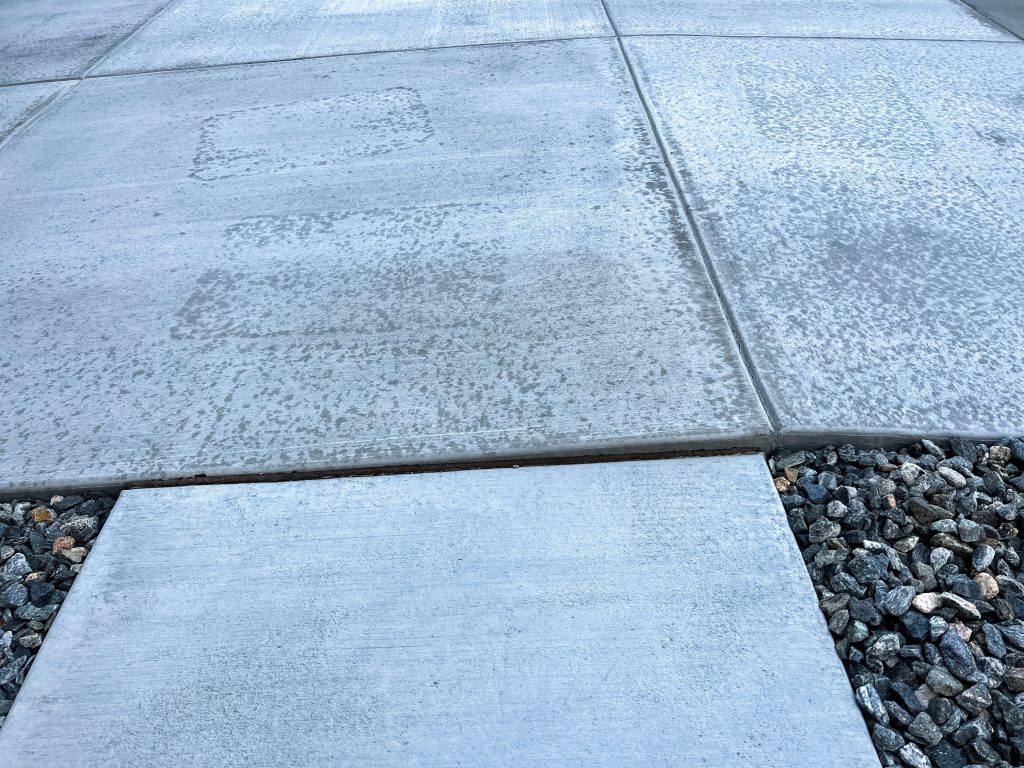
Discoloration or Rust Stains
Rust stains often point to corroding rebar or water infiltration within the concrete. This can lead to deeper structural cracks that affect the foundation.
Pitting and Small Holes
Pitting and tiny holes on concrete surfaces often form from repeated freeze-thaw exposure or chemicals. These signs suggest your concrete surface needs sealing or repair to prevent future damage.

How to Inspect Your Concrete Surface Safely
Perform regular inspections of your concrete, especially after freezing temperatures or heavy rainfall.
Check for:
- New or widening cracks
- Standing water or poor drainage
- Sections that appear raised, sunken, or wet
- Mold or discoloration along foundation walls or slabs
These signs indicate that moisture or soil movement may already be causing structural problems. Avoid attempting to fix major issues yourself. Concrete repairs require materials and methods specifically designed to restore structural integrity.
When Small Concrete Cracks Lead to Bigger Problems
Even a small crack can allow moisture to seep in, and when that water expands during freezing, it creates deeper fractures and pressure that threaten your home’s foundation. Over time, what begins as minor cosmetic damage can result in structural cracks, water damage, or even complete replacement of the affected section.
The longer you wait, the more expensive the repair. Acting early helps protect both your surface appearance and your home’s overall integrity.
How MCL Concrete Can Help Protect and Repair Your Concrete
MCL Concrete provides professional concrete repair services that restore both the look and strength of your concrete surfaces.
Our services include:
- Concrete inspection and assessment
- Crack and joint repair
- Surface leveling and sealing
- Resurfacing for driveways, garage floors, and patios
- Preventive maintenance to avoid future damage (Especially Winterizing Your Concrete)
Our experienced team uses high-quality materials specifically designed to withstand freezing temperatures, moisture, and pressure, ensuring long-lasting results. Whether you’re dealing with small cracks or more serious structural issues, we can determine the right fix before it leads to expensive repairs.
Protect Your Concrete Before It’s Too Late
If you’ve started to notice cracks, uneven surfaces, or any warning signs of damage, contact MCL Concrete today for a professional assessment. We’ll help protect your investment, restore the integrity of your structure, and ensure your concrete surfaces stay safe, strong, and beautiful for years to come.
Frequently Asked Questions About Concrete Damage
What are the most common early signs of concrete damage?
Common warning signs include hairline cracks, flaking or scaling on the surface layer, uneven concrete slabs, and small holes or pits. These often indicate moisture infiltration, freeze-thaw damage, or shifting soil beneath the concrete.
Can small cracks in my concrete surface lead to more serious structural issues?
Yes. Even small cracks can allow water to seep in and expand during freezing temperatures, leading to deeper fractures and structural damage over time. It’s best to have them inspected and repaired before they spread.
How often should I inspect my driveway or concrete surfaces for damage?
Perform regular inspections at least twice a year, ideally in spring and fall. Checking after heavy rainfall or freeze-thaw cycles helps catch early signs before they become expensive repairs.
When should I call a professional for concrete repair?
If you notice widening cracks, uneven slabs, or water pooling around foundation walls, it’s time to call a professional. MCL Concrete can determine whether the issue is cosmetic or if it points to more serious structural problems that need immediate attention.
Ontario homeowners know that preparing your concrete driveway for winter is more than a simple task. It is an important step in protecting your investment from cold weather, snow, and ice. Freeze thaw cycles, snow buildup, and moisture can quickly wear down a concrete surface if it is not properly maintained before temperatures drop.
Whether you live in Milton, Burlington, Hamilton or Oakville, taking time in the fall to winter proof your concrete driveway helps prevent costly repairs, keeps your driveway clear, and preserves your home’s curb appeal during the winter months.
In this article we provide actionable tips for preparing your concrete driveway for winter. Now is the time to winterize your driveway!
Why Winter And Freezing Temperatures Are Hard on Concrete
Concrete is durable but also porous. Moisture, dirt, and debris can enter small pores and hairline cracks. When temperatures fall below zero, that moisture freezes, expands, and causes freeze thaw damage. Over time this leads to uneven surfaces, trip hazards, and significant damage to the driveway.
De icing chemicals such as rock salt, ammonium sulphates, and calcium chloride can also weaken the surface. When you add in heavy trucks, long periods of weather exposure, and snow accumulation, the surface wear increases quickly.
Step 1: Start with a Clean Driveway and Inspect for Damage
Before winter sets in (We've had our first snow fall of 2025 already!), start with a clean driveway. Remove dirt, stains, and debris using a pressure washer or stiff broom. Once the surface is clean, inspect the concrete slab carefully for existing cracks, small cracks, or uneven surfaces.
Even hairline cracks can expand when temperatures drop and moisture freezes. Sealing or repairing them early prevents pooling water, ice buildup, and future water damage.

Step 2: Seal Cracks and Apply a Quality Concrete Sealer
After cleaning and inspection, fill any cracks to prevent water damage during freeze thaw cycles. Once repairs are complete, apply a concrete sealer designed for cold weather. A good sealer forms a protective barrier against moisture, de icing chemicals, and winter’s harsh effects.
Choose a high-quality, penetrating sealer that allows your concrete driveway to breathe while blocking water absorption. A sealed concrete surface will resist ice melts, reduce surface wear, and protect against freeze thaw damage caused by heavy snowfall or long periods of ice buildup.
Step 3: Use Safe Ice Melt Alternatives
Traditional ice melts like rock salt or ammonium sulphates can cause lasting damage to concrete. Safer alternatives include sand, kitty litter, magnesium chloride, and calcium magnesium acetate. These provide traction without harming the concrete surface.
When clearing snow, avoid metal shovels that can scratch and chip the sealer. A plastic shovel is a better choice. If possible, avoid driving on your driveway when the surface is wet and temperatures are near freezing. Moisture can enter cracks, freeze, and worsen winter damage.
Step 4: Ensure Proper Drainage and Prevent Pooling Water
Good drainage is essential for keeping water from seeping under the concrete slab. Check that your driveway slopes away from the home and redirect downspouts to prevent pooling water on the surface. Make sure there is proper drainage along sidewalks and driveway edges to stop moisture from collecting and freezing.
Proper drainage reduces the chance of freeze thaw damage, prevents water buildup, and helps protect your driveway through the cold winter months.
Step 5: Plan for Spring Maintenance or Repairs
Even with careful maintenance, Ontario’s winter weather can still leave behind some wear. Once the snow melts and the seasons change, inspect your driveway again. Look for new cracks, uneven surfaces, or areas where water pools.
If you notice signs of significant damage, contact a professional for help. At MCL Concrete LTD, we specialize in concrete driveways and decorative concrete solutions, across Milton and the Greater Toronto Area. Our team can assess your surface, recommend solutions, and provide a free quote for your Spring 2026 project.
Get Ahead of Winter and Save on Repairs. Our Key Takeaways
Taking preventive measures before winter sets in can make a big difference. A properly sealed, fully cured, and well-drained concrete driveway will resist winter’s harsh effects, maintain its curb appeal, and last for many seasons.
Protect your driveway now to avoid costly repairs later. Remember, concrete work will not be possible durintg the winter, so it's best to take these measures today.
If you are a homeowner in Milton, Ontario, contact us for professional help and get a free quote for your Spring 2026 concrete project. Spots fill up fast so getting ahead of the pack will ensure you have a spot for 2026.
Frequently Asked Questions About Preparing Your Concrete Driveway for Winter
1. Why should I prepare my concrete driveway before winter?
Preparing your driveway prevents cracking and surface damage caused by freezing temperatures and moisture. It helps extend the life of your concrete and saves you from costly repairs in spring.
2. When is the best time to seal my concrete driveway?
The best time to seal is in the fall before freezing temperatures arrive. This ensures the sealer cures properly and protects the surface all winter.
3. What happens if I don’t seal my concrete driveway before winter?
Water will seep into small cracks and freeze, causing expansion and damage. Over time this leads to larger cracks and surface deterioration.
4. Can I use regular rock salt on my concrete driveway?
Avoid using rock salt or ammonium sulphates as they can damage the surface. Use safer options like sand, kitty litter, or magnesium chloride instead.
5. How can I safely remove snow without damaging my driveway?
Use a plastic shovel or snow blower with rubber blades instead of metal ones. Clear snow regularly to prevent ice buildup and moisture from seeping into the concrete.
6. What should I do about small cracks before winter?
Clean and fill small cracks before freezing weather arrives. This prevents water from entering and expanding inside the concrete.
7. How can I improve drainage around my driveway?
Make sure your driveway slopes away from your home and redirect downspouts. Proper drainage prevents pooling water and freeze thaw damage.
8. Can heavy vehicles damage my driveway in winter?
Yes, heavy trucks can stress concrete when the ground is frozen. Limit heavy loads during the coldest months to avoid cracks and surface wear.
9. How long does a concrete sealer last?
Most sealers last two to three years depending on exposure and maintenance. Reapply every couple of years for best protection.
10. When should I call a professional for help?
Call a concrete contractor if you see large cracks, uneven areas, or pooling water. A professional can assess the surface and recommend proper repairs.